The Future of Toronto: Key Issues from the City’s Former Mayor
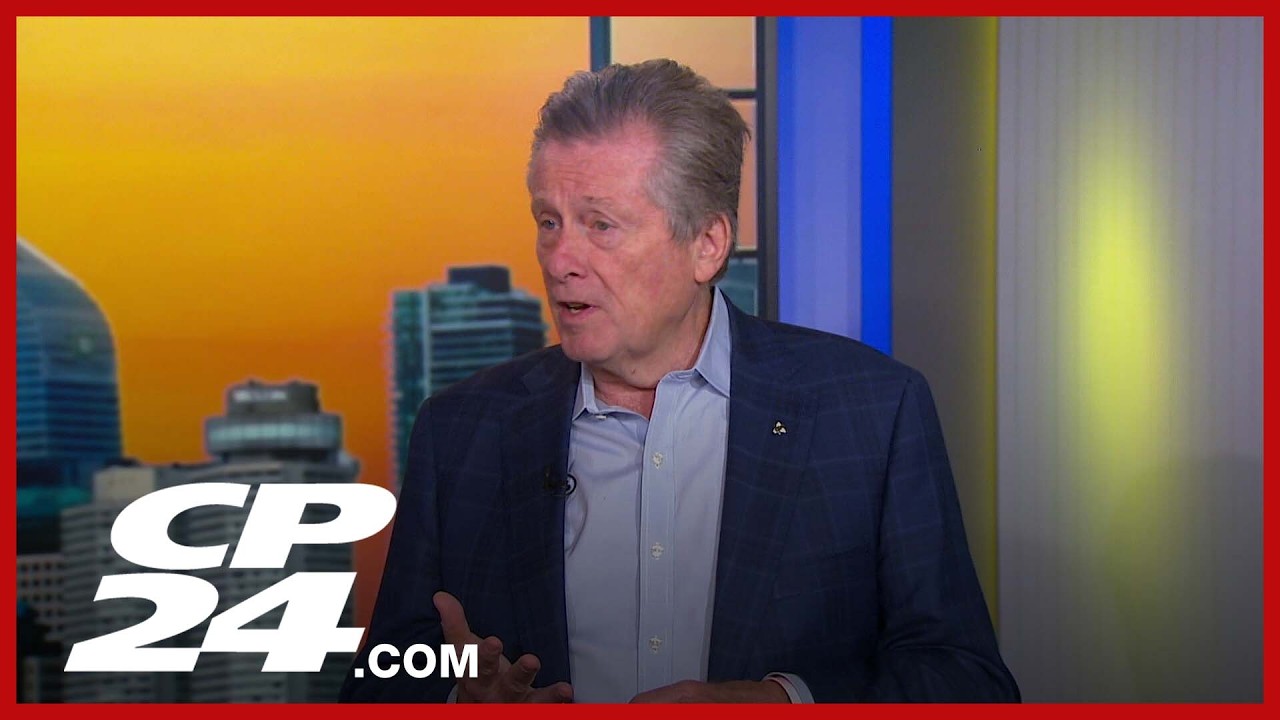
In the latest episode of "Talking Toronto," former Mayor John Tory discussed pressing concerns shaping the city’s future. With the Toronto Draft Charter (TDC) just days away, excitement is palpable among residents and city planners alike. Tory weighed in on whether Toronto’s transit infrastructure is ready for the anticipated influx of visitors this June.
Lessons from past events have certainly informed current transit strategies. Tory highlighted the importance of learning from past occurrences, specifically when subway operations faltered during high-demand times like sports events. To mitigate these challenges, the Toronto Transit Commission (TTC) has developed a transit hub east of Exhibition Place. This hub will serve as a crucial coordination point during the games and is part of a broader initiative to enhance transit services. With frequent bus routes, signal prioritization for streetcars, and extended subway hours, the city aims to ensure smooth transportation during this busy period.
However, the conversation quickly turned to new legislation—an omnibus bill that could allow the province to take control of the TTC. Tory expressed his unease about the implications of such a takeover. The bill’s hidden provisions raise questions about local governance and the specific needs of communities. "People should keep an eye on that," he remarked, emphasizing the necessity for local representatives to have a voice in transit matters that directly affect their neighborhoods.
The transition of control over public services, particularly transit, has a broader context. The province holds significant power in determining the fate of city services, as evidenced by the current dynamics surrounding Billy Bishop Airport. Although the province has the constitutional authority to make sweeping changes, residents must advocate for local needs. There’s a genuine concern that a large bureaucratic structure could overlook essential community services.
Tory’s focus then shifted to a troubling societal trend: the rise of anti-Semitism in Toronto. Recent events have highlighted the need for a collective response from civic leaders and the community at large. The former mayor stressed that city governance should reflect a commitment to inclusivity—where every individual feels safe and respected, regardless of their background. He welcomed Prime Minister Justin Trudeau’s recent speech addressing this issue, seeing it as a call to civic responsibility.
Yet, Tory lamented that no sufficient voices have rallied in support of marginalized communities facing hostility. “We cannot allow anyone’s neighborhood to be under siege,” he declared. This sentiment resonates deeply in a city where diversity is a cornerstone of its identity.
The conversation then circled back to the island airport, a contentious issue in Toronto’s urban planning landscape. With calls from local leaders urging the Prime Minister to take a definitive stance, Tory pointed out the federal government’s ownership of the airport through the Port Authority. He argued that a comprehensive debate is necessary to ensure transparency regarding the airport’s future, particularly in light of Doug Ford’s proposals.
“Where’s the plan?” Tory questioned. As the community awaits answers, it’s paramount for all stakeholders involved—especially the city’s Liberal MPs—to articulate their positions on this matter. Given the complexity of the debate, Tory stressed the importance of timing and clarity.
As Toronto prepares for the TDC and navigates pressing social issues, the interplay between local governance and provincial oversight will remain a focal point. John Tory’s insights underscore a city at a crossroads—growing in diversity and complexity while grappling with issues of representation and community safety.
In conclusion, the challenges facing Toronto are manifold, but they also present an opportunity for collective action. Local leaders, residents, and the provincial government must collaborate to forge a resilient and inclusive city, prepared to embrace its dynamic future. As we look forward to the TDC and the many discussions that lie ahead, we are reminded of the importance of civic engagement and the enduring power of community.